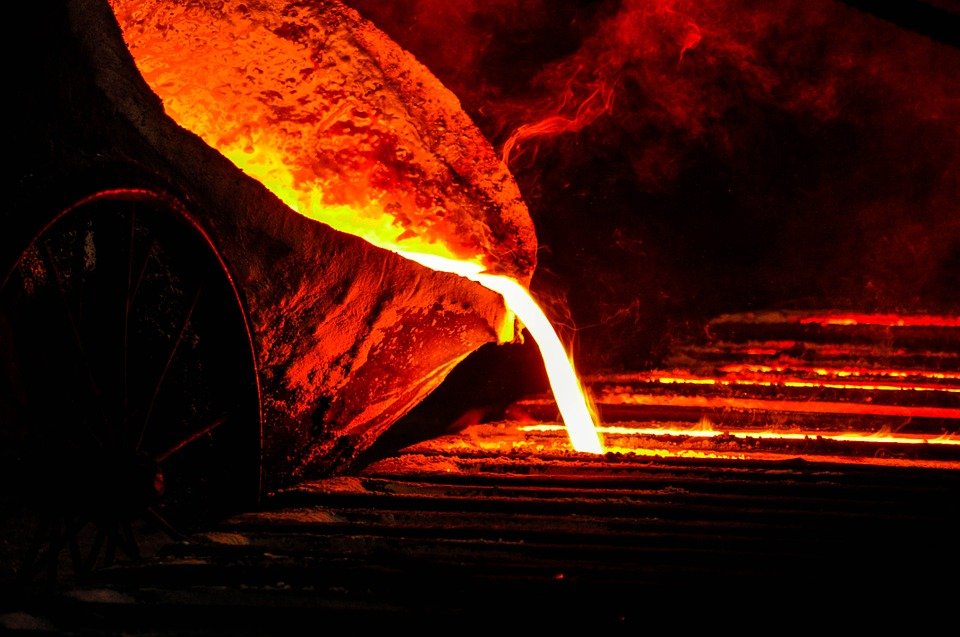
The breadth of training afforded to engineers specializing in the fields of metallurgical and materials
engineering permits entry into many exciting new fields of endeavor. Virtually every component of any
engineered structure is limited by the properties of the materials chosen for its fabrication.
The selection, methods of production, treatment, and finishing of the materials involved in all aspects
of systems of transportation, power generation, communication, food preparation, entertainment,
and housing depend on individuals trained in metallurgical and materials engineering. All fields of engineering involve metallic, ceramic, polymeric, or composite materials. Exciting challenges exist today in the development and application of new materials, which range from the new generation of superconductors and ultra lightweight composites to new magnetic-recording media and sophisticated high-temperature alloys.
The curriculum at The University of Alabama provides classes that develop the underlying scientific and
engineering principles involved in these areas. The student will be exposed to an integrated learning
experience in the classroom and laboratories involving lectures, projects, and problem-solving assignments.
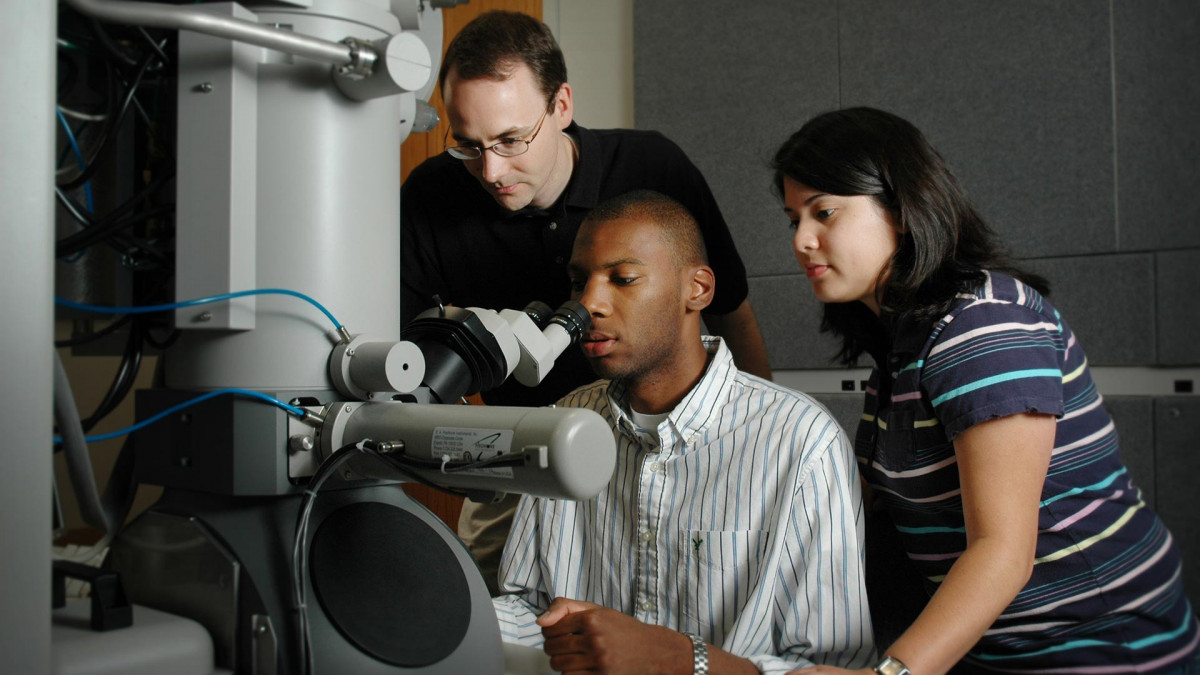
He or she will be stimulated by an environment of sophisticated equipment and computer technology in which
individual attention is the rule rather than the exception. Graduates of our department have distinguished
themselves in many careers, holding a wide range of managerial, scientific, and engineering positions across the country in industry, government, and education.